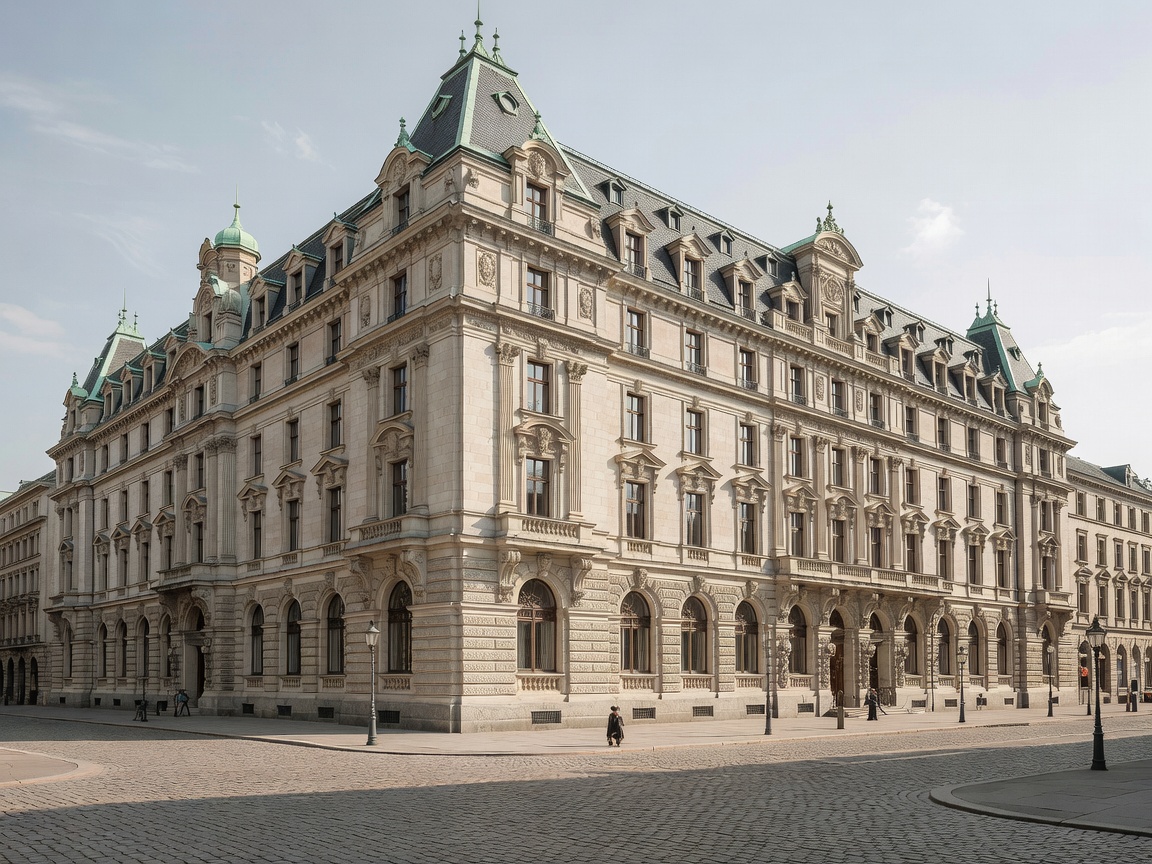
Hotel History & Heritage
From Lorenz Adlon's vision backed by Kaiser Wilhelm II to its post-unification rebirth in August 1997, discover how the Adlon rebuilt its title as Berlin’s diplomatic drawing room.
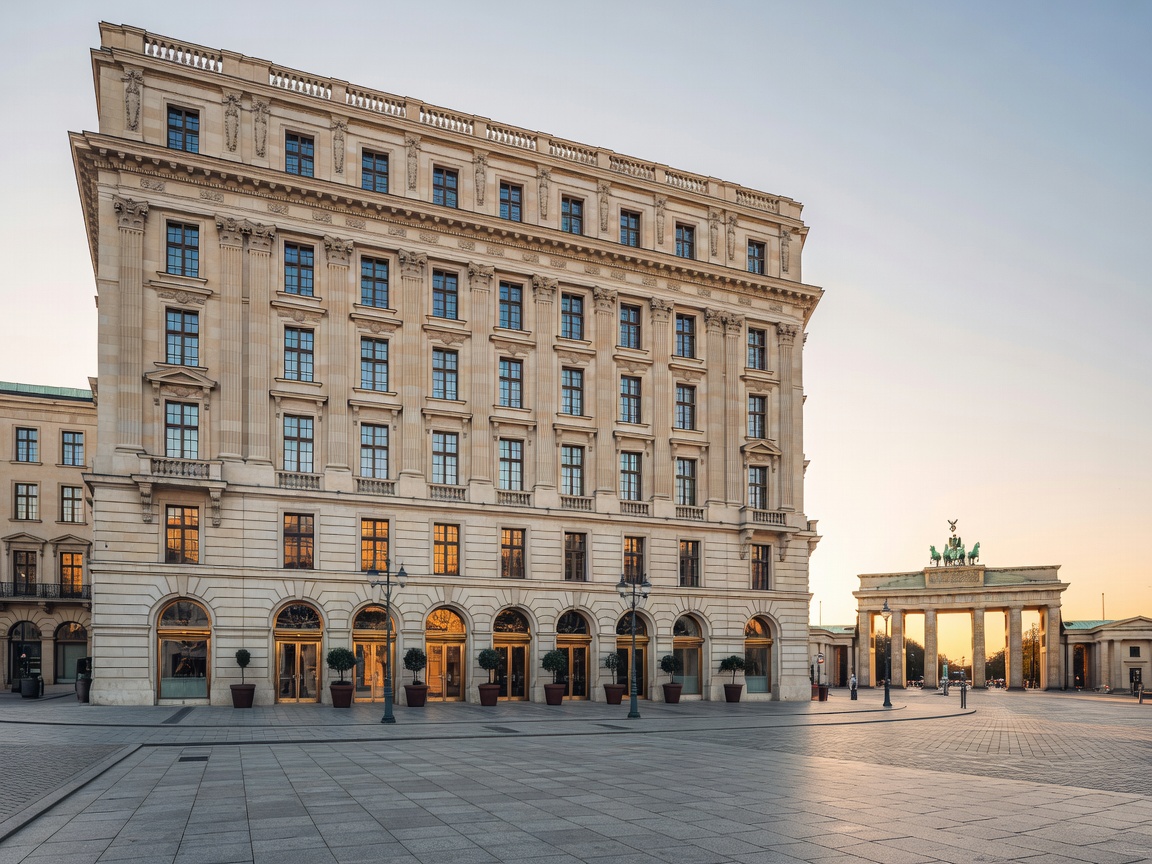
Positioned directly beside the historic Brandenburg Gate, Hotel Adlon Kempinski Berlin stands as an unmatched symbol of German hospitality, architectural continuity, and sovereign diplomatic prestige.
Nominated in the 2026 World Travel Awards for Europe's Leading Hotel, Europe's Leading Luxury Business Hotel, and Europe's Leading Luxury City Hotel, the Adlon embodies European imperial tradition synthesized with peerless German engineering.
Explore our authoritative appraisal of the Adlon's storied heritage, private living quarters, Michelin-recognized culinary salons, neoclassical thermal sanctuary, and adjacent historical avenues.
From Lorenz Adlon's vision backed by Kaiser Wilhelm II to its post-unification rebirth in August 1997, discover how the Adlon rebuilt its title as Berlin’s diplomatic drawing room.
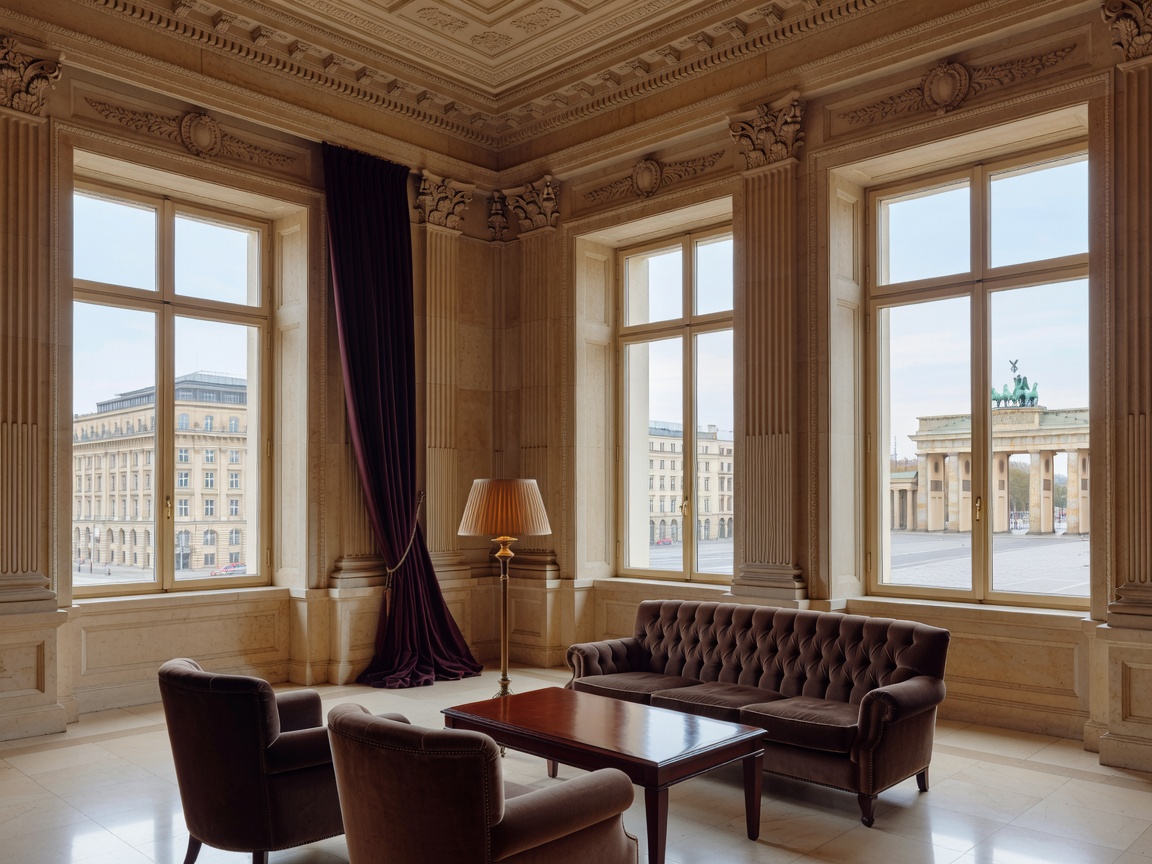
Detailed breakdowns of the 307 rooms and 78 bespoke suites, featuring cherrywood carpentry, soundproofed panoramas over the Brandenburg Gate, and private butler service.
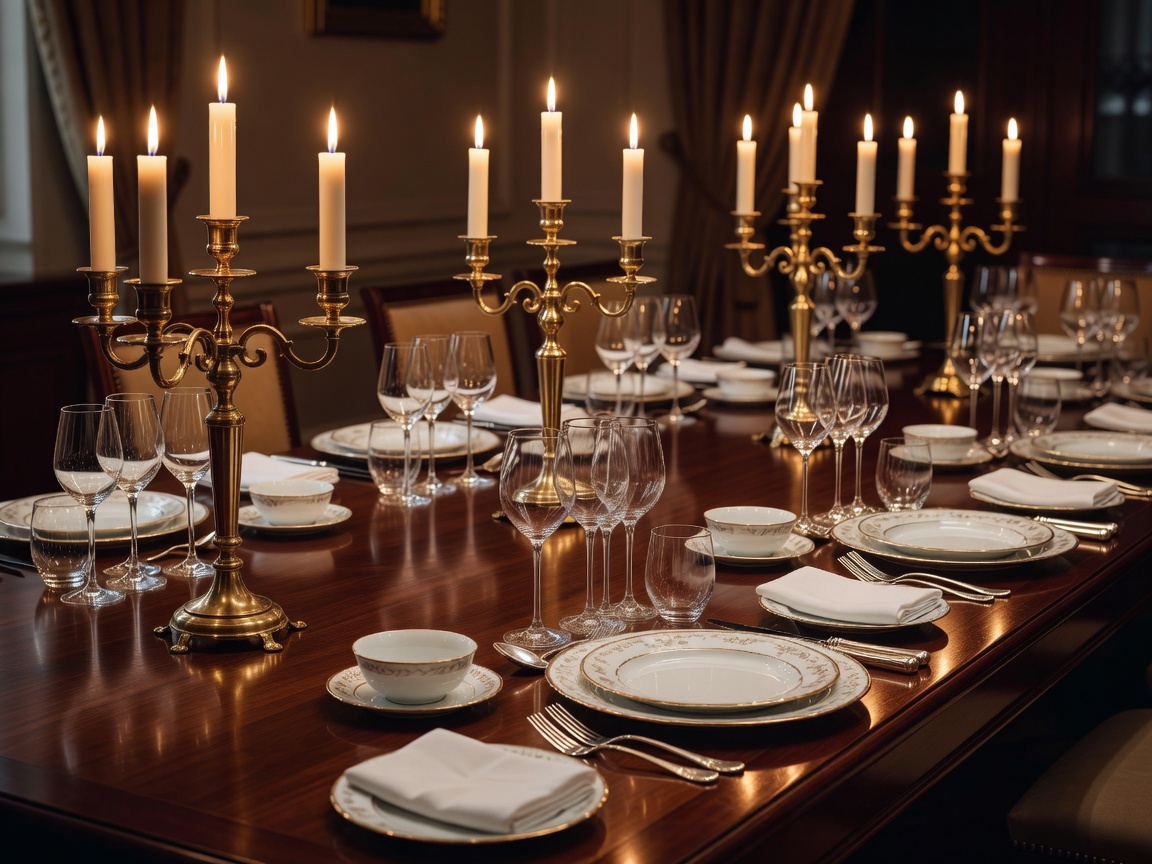
An analytical review of the two-Michelin-starred Lorenz Adlon Esszimmer, the brasserie atmosphere of Restaurant Quarré, and the timeless Elephant Fountain lobby salon.
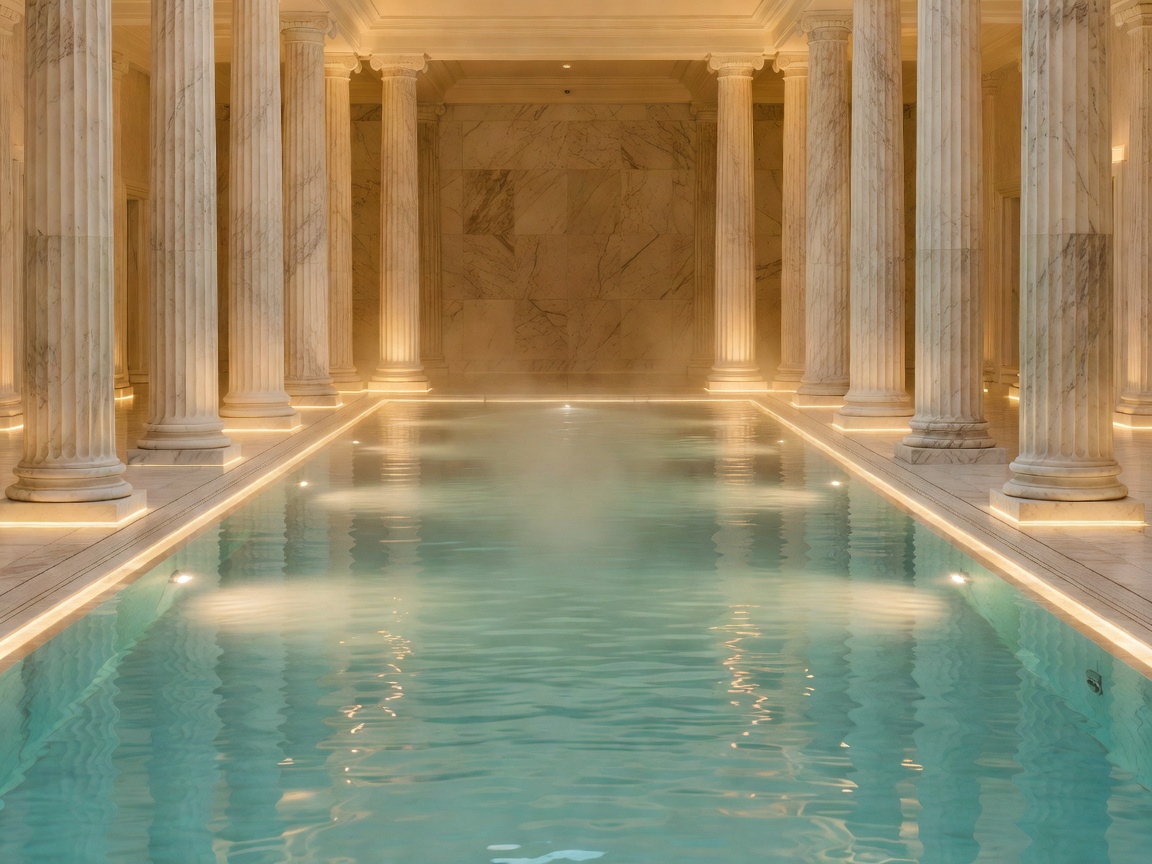
Over 9,000 square feet dedicated to tranquil restoration, neoclassical columned pool architecture, Finnish saunas, and bespoke restorative therapy regimens in central Berlin.
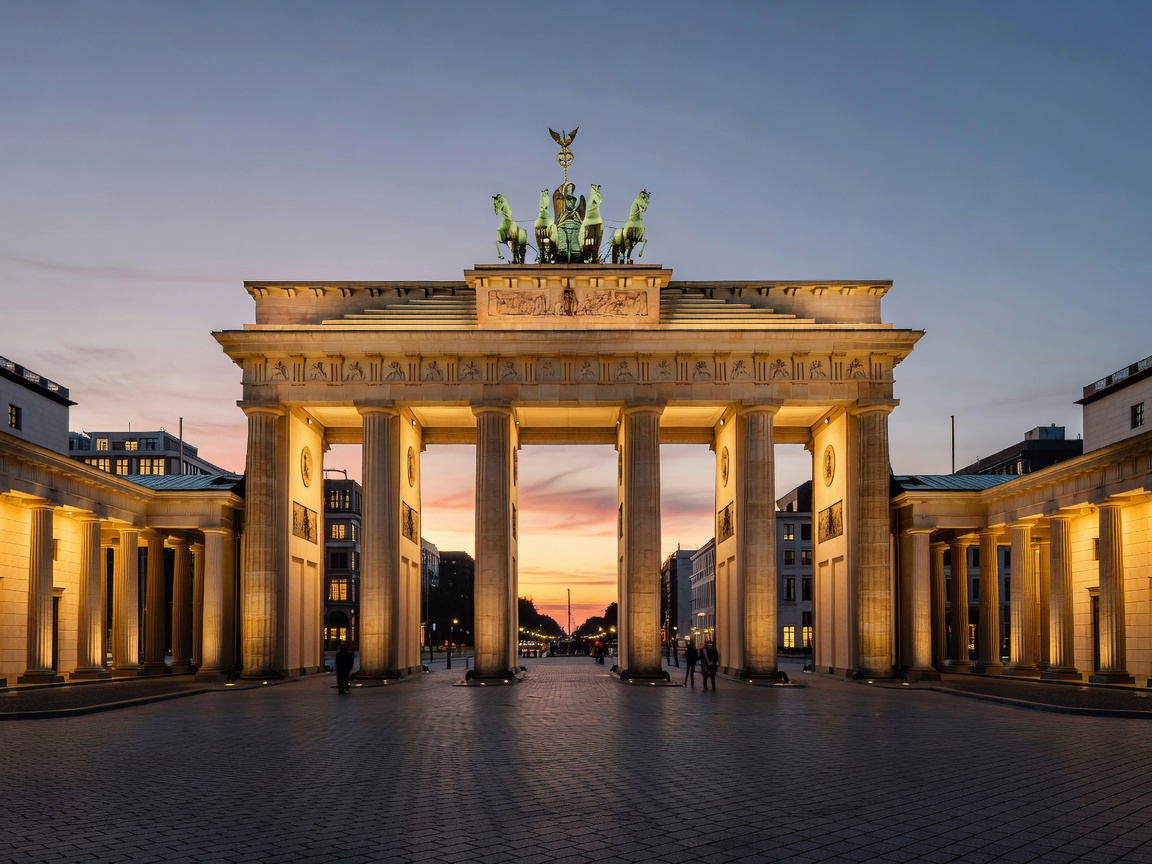
The Adlon as your diplomatic starting point: Unter den Linden, the glass dome of the Reichstag, the UNESCO treasures of Museum Island, and high fashion along Friedrichstraße.
Unlike generic international luxury properties, Hotel Adlon Kempinski is inextricably fused with the geopolitical narrative of modern Europe. Originally opened in October 1907 under the patronage of Kaiser Wilhelm II, it became the benchmark of continental hospitality.
When the new structure rose on the cleared grounds of Pariser Platz following the fall of the Berlin Wall, architects Patzschke, Klotz & Partners opted for an elegant revivalist façade that respects the strict urban guidelines of Berlin’s master plan. The result is a structure that commands reverence without ostentation—subtle limestone masonry, classical proportions, and warm rose and chocolate accents inside.
The property's nominations for Europe's Leading Hotel, Europe's Leading Luxury Business Hotel, and Europe's Leading Luxury City Hotel highlight three primary strengths: